
Braces, aligners and retainers
Orthodontics corrects tooth position and the function of the bite. An occlusion that distributes force poorly wears enamel, fractures restorations and compromises tooth support. Every case is planned from a digital scan.
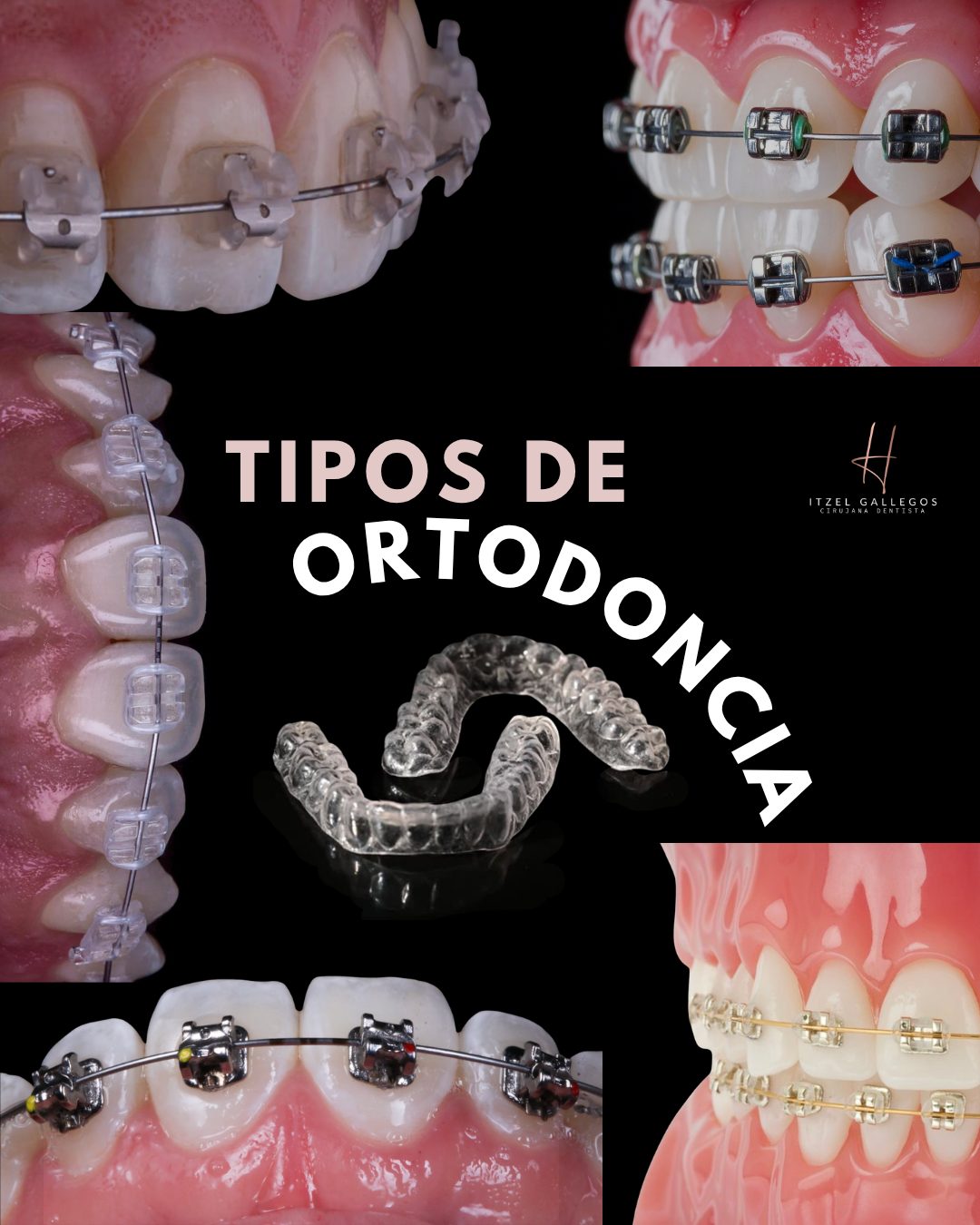
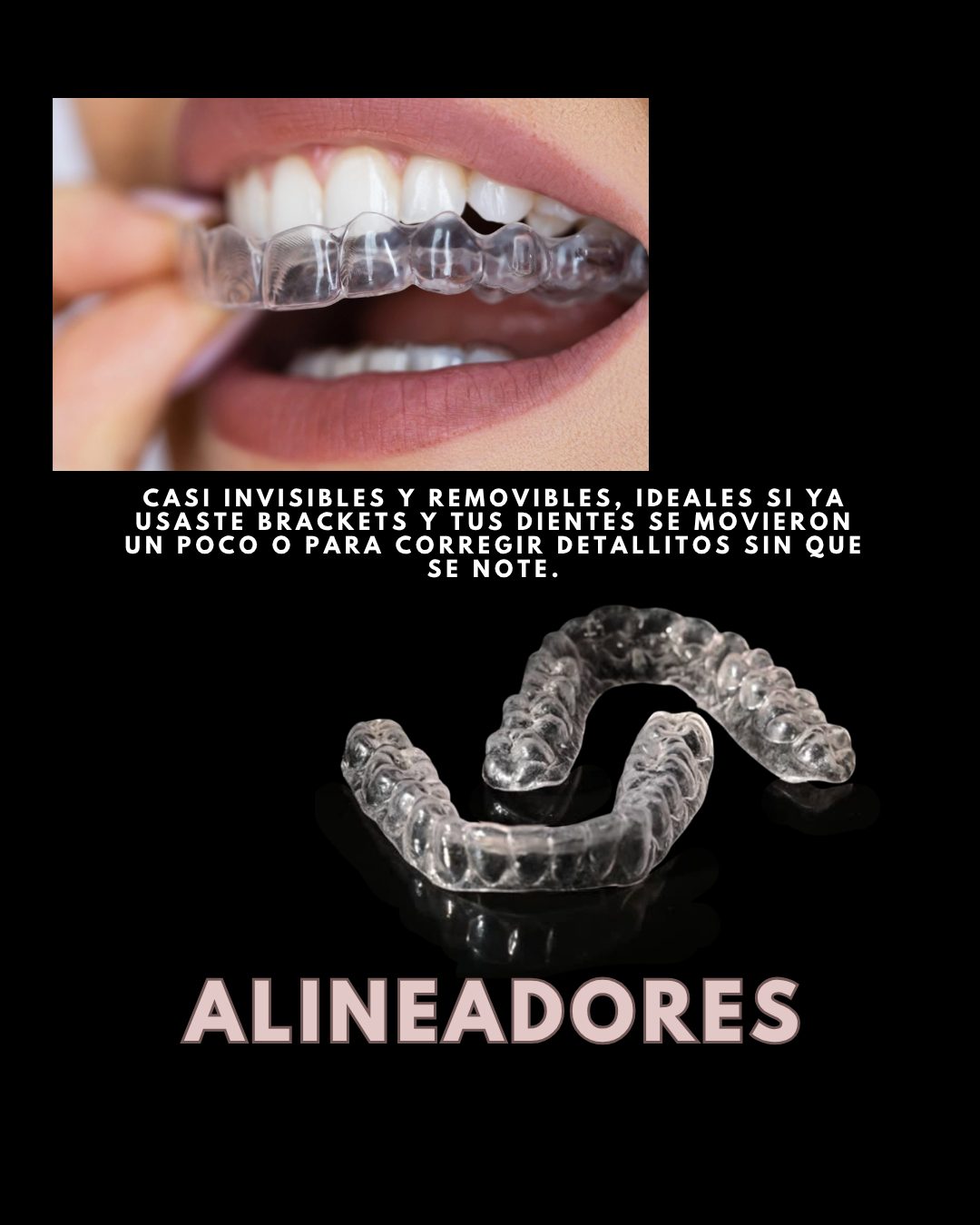
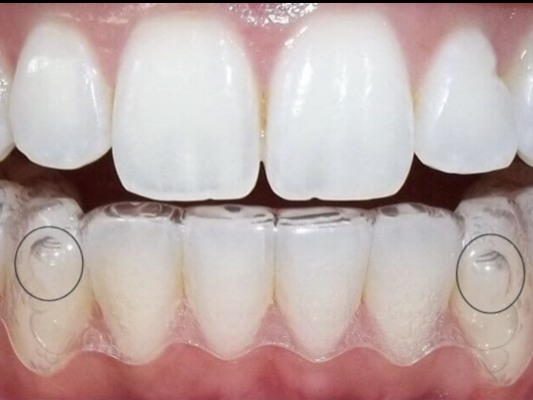
Clear aligners
Removable trays planned from a scan. The consultation includes that scan, because it is what determines how many aligners your case needs.
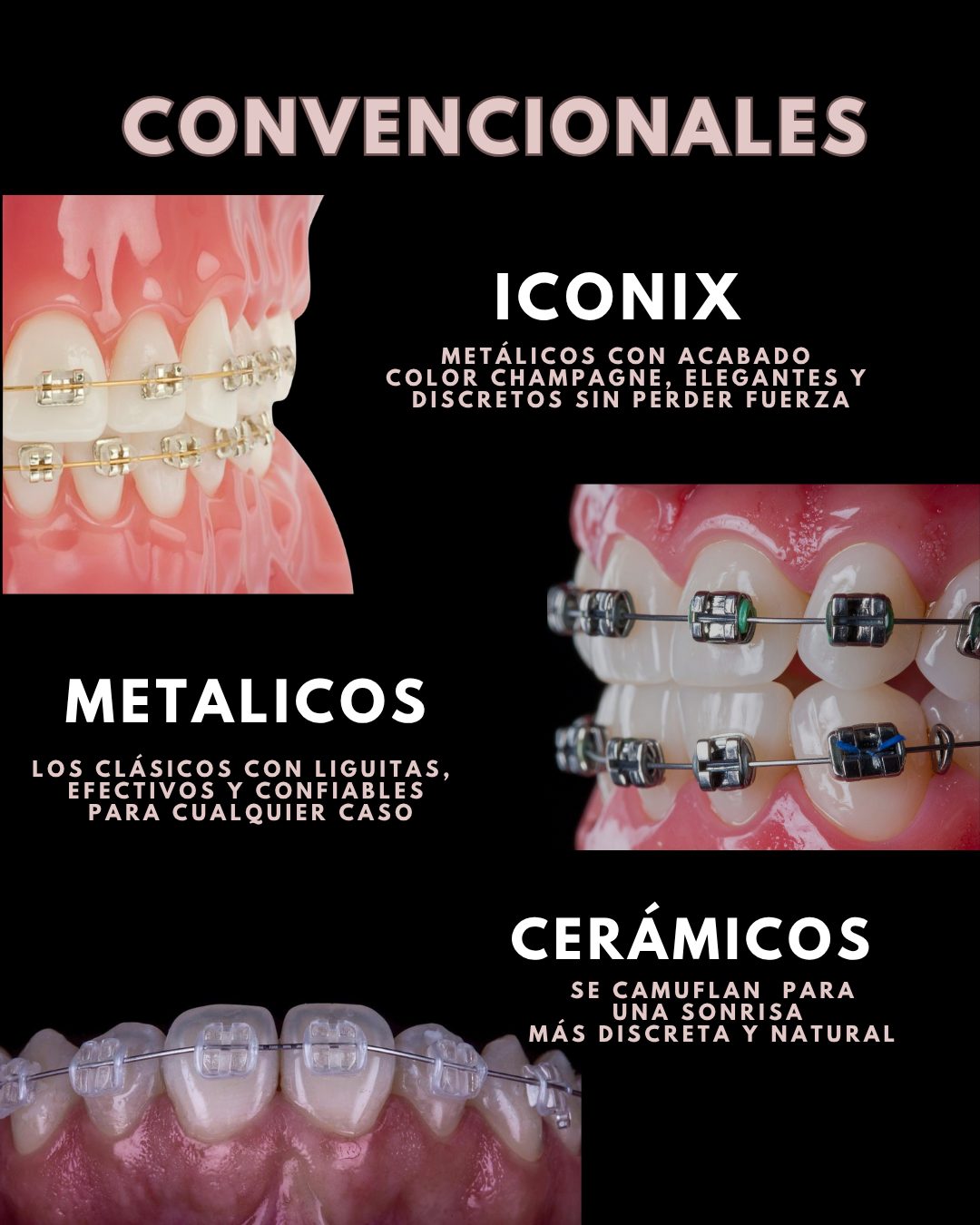
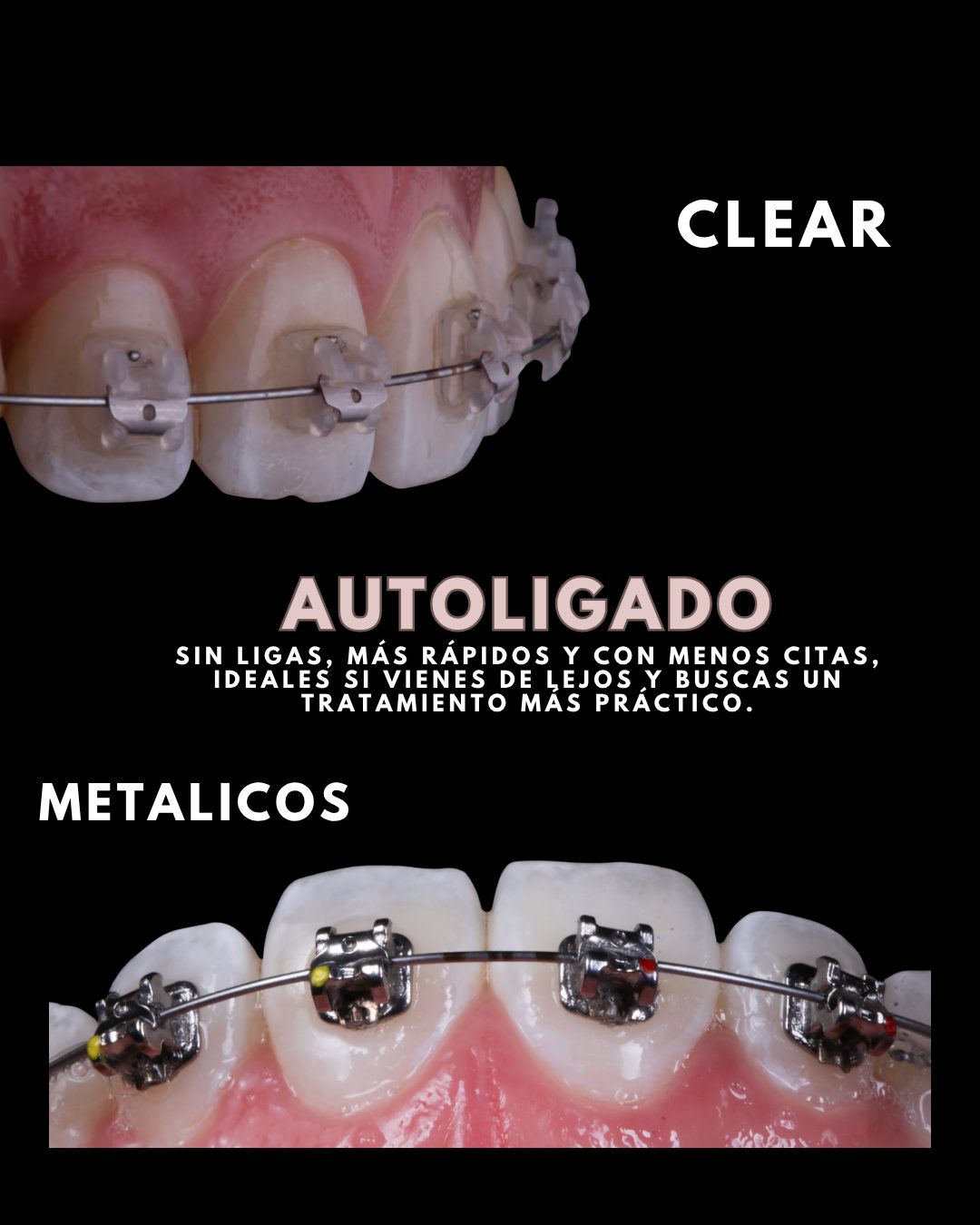
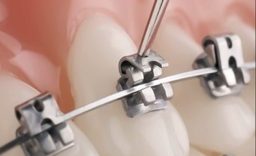
Traditional braces
Still the most predictable tool for many movements, and they do not depend on you remembering to wear them.
Retainers
Fixed or removable. This is the part that protects everything you just paid for.
Before orthodontics starts: cavities, gum inflammation and failing fillings get handled first. Moving teeth through an unhealthy mouth does damage that is much harder to undo than crowding.
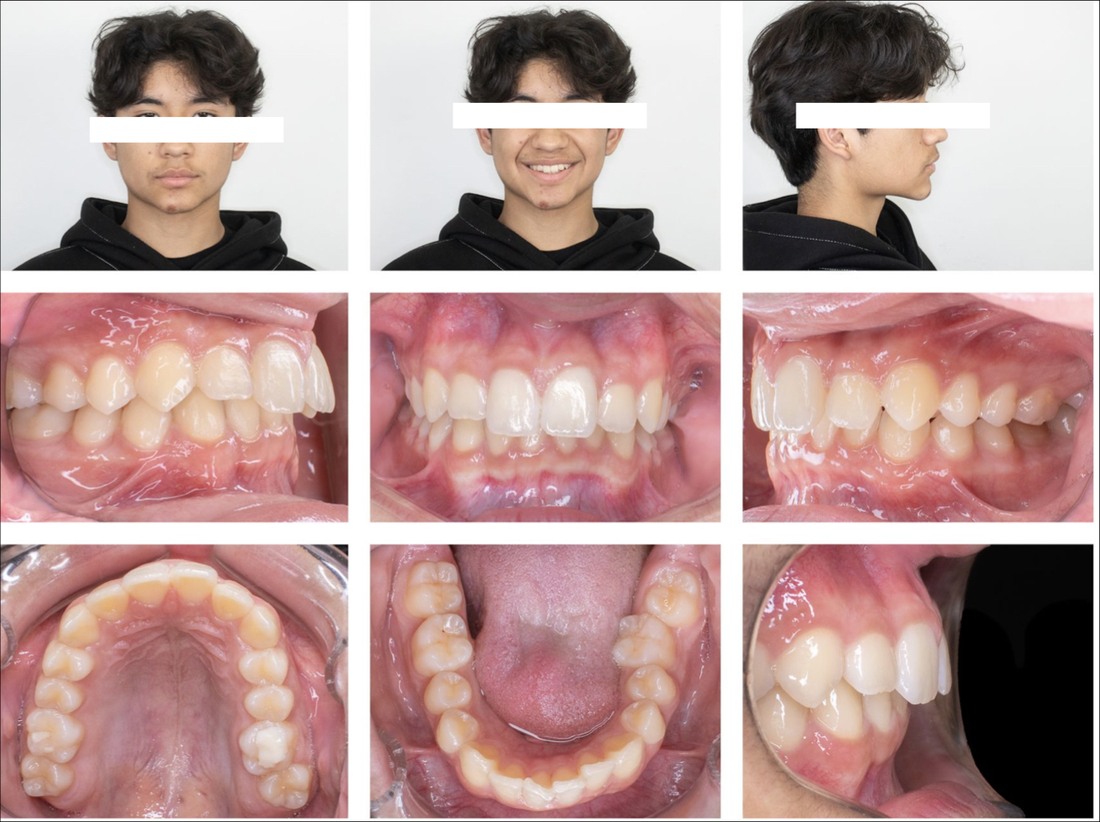
Records needed to plan your case
Nobody starts orthodontics from a photograph. These are the records taken before braces go on or aligners are ordered.


The appliances compared
Common orthodontic questions
Braces or clear aligners?
Aligners are removable, nearly invisible and easier to clean around, but they only work if you actually wear them 20 to 22 hours a day. Braces do not depend on your discipline, and they handle certain movements more predictably. Both are real orthodontics. The right answer comes out of the scan and the X-rays, not out of a preference.
Why does the aligner consultation cost more?
Because it includes the full digital scan. The aligner plan is built from that scan: it is what determines how many aligners the case needs and whether aligners can do the job at all. Without it, any number you are quoted is a guess.
I live in the U.S. — how often would I have to come?
It depends on the appliance. Aligner cases usually need fewer in-person visits and can be tracked partly by photo. Braces need regular adjustments. The schedule is built around your crossing before you commit, and you are told plainly if your case belongs closer to home.
Do I really need a retainer afterwards?
Yes. Teeth move for the rest of your life; the retainer is what keeps the result. Skipping it is the single most common reason people end up in orthodontics twice.
Schedule your appointment with Dra. Itzel Gallegos
Send a WhatsApp message with your question, or a photo of the tooth that is bothering you. The answer comes from the practice, not a call center.